
Spinal Decompression vs Surgery: Which Is Right for You?
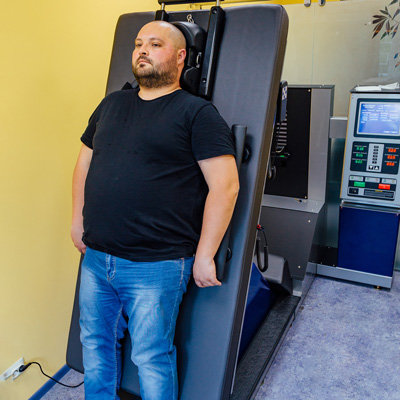
When chronic back pain becomes unbearable and conservative treatments haven’t provided relief, you face a critical decision: should you try non-surgical spinal decompression or proceed with surgery? Understanding the differences between spinal decompression vs surgery is essential for making an informed choice that aligns with your health goals, lifestyle, and values.
Let’s explore both approaches so you can make the best decision for your spine.
Understanding the Need for Spinal Treatment
Chronic back or neck pain doesn’t develop overnight – it’s usually the result of progressive damage to your spinal structures. Common culprits include herniated discs, degenerative disc disease, sciatica, and spinal stenosis.
These conditions compress nerves, creating pain that radiates down your legs or arms. They limit your mobility, disrupt your sleep, and diminish your quality of life. Simple activities like bending, lifting, or even sitting become exercises in pain management.
Eventually, many patients reach a crossroads where “wait and see” is no longer an option. The question becomes: which treatment path offers the best chance of recovery with the lowest risk? This is where understanding the fundamental differences between non-surgical and surgical options becomes critical.
How Each Treatment Works
What Is Non-Surgical Spinal Decompression?
Non-surgical spinal decompression therapy uses gentle, computer-controlled traction to stretch your spine and reduce pressure inside damaged discs. Think of it as creating negative pressure that allows bulging disc material to retract and healing nutrients to flow back in.
The process works by:
- Gradually separating vertebrae to relieve compression
- Creating vacuum pressure inside discs
- Allowing disc material to move away from irritated nerves
- Promoting rehydration and nutrient exchange in damaged discs
- Encouraging natural healing without cutting or removing tissue
We use FDA-cleared decompression tables that precisely control force, angle, and duration of stretch. These advanced systems include safety sensors that detect muscle guarding and automatically adjust to prevent discomfort. The entire process is comfortable – most patients relax or even fall asleep during sessions.
What Is Spinal Surgery?
Spinal surgery involves physically altering your spine’s structure to relieve nerve compression or stabilize unstable segments. The most common procedures include:
- Discectomy: Surgically removing part of a herniated disc pressing on a nerve.
- Laminectomy: Removing part of the vertebral bone (lamina) to create more space for compressed nerves.
- Spinal Fusion: Permanently joining two or more vertebrae using bone grafts and hardware.
Surgery is typically recommended when:
- Severe nerve compression causes progressive weakness
- Loss of bladder or bowel control occurs
- Pain is incapacitating despite months of conservative care
- Structural instability threatens spinal cord integrity
While surgery can provide dramatic relief in appropriate cases, it’s irreversible and carries inherent risks.
Spinal Decompression vs Surgery – Key Differences
Understanding the practical differences helps you weigh your options realistically.

The spinal decompression effectiveness becomes apparent when you consider that it addresses the problem without permanently altering your anatomy. Your spine retains its natural structure and function.
Who Should Choose Which?
Ideal Candidates for Non-Surgical Spinal Decompression
Non-invasive back pain treatment through decompression works exceptionally well for specific patient profiles. You’re an ideal candidate if you have:
- Chronic back or neck pain without severe neurological deficits
- Bulging or herniated discs confirmed by MRI
- Mild to moderate degenerative disc disease
- Sciatica or radiating arm pain from nerve compression
- Failed physical therapy or chiropractic adjustments alone
- Preference for natural, drug-free recovery options
Most importantly, decompression works best when disc damage isn’t severe enough to require structural repair but significant enough that conservative care alone hasn’t resolved symptoms.
Ideal Candidates for Surgery
Surgery becomes necessary when non-surgical options can’t adequately address the severity of your condition. Consider surgery when:
- Severe structural damage or spinal instability exists
- Progressive motor weakness indicates ongoing nerve damage
- Loss of bladder or bowel control (cauda equina syndrome)
- Tumor or infection requires immediate intervention
- Multiple months of conservative care, including decompression, haven’t provided adequate relief
The key distinction: surgery should be reserved for cases where tissue removal or permanent stabilization is medically necessary – not simply as a first-line treatment for disc-related pain.
Recovery, Cost, and Lifestyle Impact
Recovery timelines matter significantly. With Decompression Therapy in Newport Beach CA that we provide, most patients return to normal activities within days. You’ll attend sessions 3-4 times weekly for 4-6 weeks, but you can work, drive, and maintain most daily activities throughout treatment.
Surgical recovery is considerably more involved. Initial hospitalization lasts 1-3 days, followed by 6-12 weeks of restricted activity. Physical therapy typically continues for months. Return to full activity, especially for physically demanding work, may take 6-12 months.
Cost comparison reveals significant differences:
- Non-surgical decompression: $3,000-$6,000 for complete treatment program
- Spinal surgery: $50,000-$150,000+ including hospital, surgeon, anesthesia, and rehabilitation
Post-treatment care differs dramatically. After decompression, we provide corrective exercises and postural training to maintain results. After surgery, extensive physical therapy aims to restore function lost during the healing process and compensate for anatomical changes.
When Surgery Might Still Be Necessary
We’re not anti-surgery – we’re pro-appropriate care. Certain situations require surgical intervention, and recognizing them is crucial.
Red flag symptoms requiring immediate surgical evaluation:
- Sudden loss of bowel or bladder control
- Progressive leg weakness that worsens despite treatment
- Severe pain unresponsive to all conservative measures
- Spinal trauma with structural instability
Interestingly, chiropractic decompression vs surgery isn’t always an either-or decision. Non-surgical decompression often serves as a bridge, buying time for natural healing while avoiding or delaying surgery. Even when surgery eventually becomes necessary, patients who’ve tried decompression first often have better surgical outcomes because they’ve maintained muscle strength and mobility.
Post-surgical patients can also benefit from gentle chiropractic rehabilitation to restore function, improve posture, and prevent problems in adjacent spinal segments.
See more: Why Spinal Decompression May Be the Answer to Your Failed Back Surgery Syndrome (FBSS)
Talk to a Spine Care Professional Before You Decide
Making the right choice between spinal decompression vs surgery requires professional evaluation – not just reading articles online, even thorough ones like this.
Essential steps before deciding:
- Get comprehensive imaging: MRI or CT scans show the exact nature and extent of disc damage
- Consult multiple providers: See both a spine surgeon and a decompression-certified chiropractor
- Ask critical questions: Success rates, complication rates, recovery expectations
- Request a second opinion: Especially if surgery is recommended as your first option
- Consider trial periods: Try non-invasive approaches first unless emergency surgery is needed
Make an Informed Decision for Your Spine
The choice between non-surgical spinal decompression therapy and surgery isn’t just medical – it’s personal. It depends on your condition severity, your values regarding invasive procedures, your lifestyle needs, and your willingness to commit to conservative care.
Ready to explore your options? Schedule a comprehensive spinal health consultation at Newport Center Family Chiropractic in Newport Beach. We’ll evaluate your specific condition, review your imaging, and provide honest recommendations about whether decompression could help you avoid surgery.
Don’t let pain pressure you into irreversible decisions. Let’s explore every effective option together – starting with the least invasive approaches that preserve your spine’s natural function.
Newport Center
Family Chiropractic
359 San Miguel Drive
Suite #203
Newport Beach, CA 92660
| Monday | 9:00 AM - 5:00 PM |
| Tuesday | 9:00 AM - 5:00 PM |
| Wednesday | 9:00 AM - 5:00 PM |
| Thursday | 9:00 AM - 5:00 PM |
| Friday | 9:00 AM - 5:00 PM |
| Saturday | 9:00 AM - 12:00 PM |
| Sunday | Closed |