
What to Do After Non-Surgical Spinal Decompression Therapy?

Congratulations! You’ve just completed your non-surgical spinal decompression therapy session. Now what? If you’re wondering what comes next after non-surgical spinal decompression therapy, you’re asking exactly the right question.
At Newport Center Family Chiropractic, we’ve guided hundreds of patients through successful spinal decompression recovery. Your discs are beginning to rehydrate, inflammation is reducing, and healing is starting. But your body needs your help to lock in these improvements for the long haul.
Understanding Recovery After Non-Surgical Spinal Decompression
Why Post-Treatment Care Matters for Lasting Results
Your spine didn’t develop problems overnight, and healing won’t happen instantly either. Post spinal decompression therapy care is like tending a garden – consistent, gentle attention yields the best harvest.
Research by Shealy et al. (2005) in the Archives of Physical Medicine and Rehabilitation showed that patients who followed structured post-treatment protocols had 86% better outcomes compared to those who didn’t. That’s not coincidence – that’s the power of proper spinal decompression aftercare.
How Spinal Decompression Works on Your Spine and Discs
During treatment, we create negative pressure in your spinal discs. This process:
- Pulls herniated disc material back into place
- Increases nutrient flow to damaged tissues
- Reduces pressure on pinched nerves
- Stimulates your body’s natural healing response
But here’s the key: your discs are like sponges that have been compressed for months or years. They need time and the right conditions to fully rehydrate and heal.
What to Expect Immediately After Treatment
Common Sensations
Right after your session, you might experience:
Normal sensations:
- Mild muscle soreness (like after a gentle workout)
- Slight fatigue as your body processes the treatment
- Increased range of motion in your back
- A feeling of “looseness” in your spine
What signals a problem:
- Sharp, shooting pain that’s worse than before treatment
- Severe muscle spasms
- New numbness or tingling in your legs
- Inability to walk normally
Do’s & Don’ts Before Leaving the Clinic
DO:
- Walk around slowly for 5-10 minutes
- Drink plenty of water
- Ask questions if anything feels concerning
- Schedule your next appointment
DON’T:
- Rush back to strenuous activities
- Skip the post-treatment instructions
- Ignore unusual symptoms
- Forget to hydrate
First Few Days: Immediate Recovery Tips After Non-Surgical Spinal Decompression Therapy
Finding the Sweet Spot: Rest vs. Gentle Movement
The first 48-72 hours are crucial for your spinal decompression recovery. You’re not on bed rest, but you’re not running a marathon either.
Rest recommendations:
- Take frequent breaks from sitting or standing
- Avoid activities longer than 30 minutes without position changes
- Listen to your body’s signals
Gentle movement guidelines:
- Short walks every 2-3 hours (5-10 minutes)
- Simple neck rolls and shoulder shrugs
- Deep breathing exercises to promote circulation
Activities to Avoid: Protecting Your Progress
Your spine is in a vulnerable but healing state. Avoid these common mistakes:
- Heavy lifting (nothing over 10-15 pounds)
- Twisting motions while carrying objects
- Sudden movements like jumping or quick turns
- Prolonged sitting without breaks
- High-impact activities like running or aerobics
Sleep Positions That Protect Spinal Alignment
Best sleep positions:
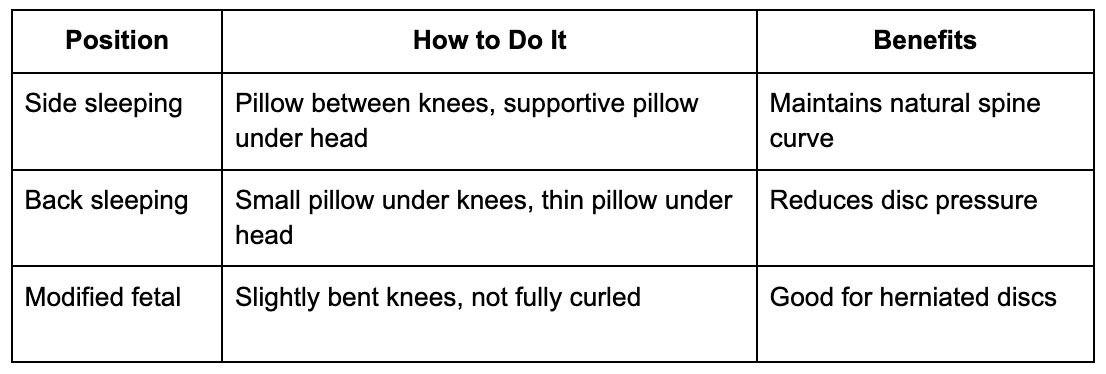
Avoid: Stomach sleeping – it forces your neck into an unnatural position and increases lower back strain.
Using Ice/Heat Packs for Soreness Relief
Temperature therapy is your friend during early recovery after spinal decompression:
Ice therapy (first 24-48 hours):
- Apply for 15-20 minutes every 2-3 hours
- Use a thin towel between ice and skin
- Helps reduce inflammation and muscle spasms
Heat therapy (after 48 hours):
- Gentle warmth for 15-20 minutes
- Promotes blood flow and muscle relaxation
- Never use heat if swelling is present
First Week to First Month: Building Your Recovery Routine
Gentle Stretches and Chiropractor-Recommended Exercises
By day 3-5, we’ll typically introduce specific movements. These aren’t random stretches – they’re carefully selected based on your condition and progress.
Week 1 exercises might include:
- Pelvic tilts (lying down): 10 repetitions, hold 5 seconds
- Knee-to-chest stretches: 30 seconds each leg
- Cat-cow stretches: 10-15 slow repetitions
- Walking: Gradually increase to 15-20 minutes daily
Short Walks and Mobility Practices
Walking is medicine for your spine. Start with 5-10 minutes and gradually increase.
Walking progression:
- Week 1: 5-10 minutes, 2-3 times daily
- Week 2: 10-15 minutes, 2 times daily
- Week 3-4: 20-30 minutes, once or twice daily
Ergonomic Workstation Adjustments
If you work at a desk, your workstation setup can make or break your spinal decompression aftercare:
Essential adjustments:
- Monitor at eye level to prevent neck strain
- Feet flat on floor or footrest
- Chair supports your lower back curve
- Take standing breaks every 30-45 minutes
- Use a document holder to avoid neck twisting
Returning to Daily Activities Safely
- Week 1: Light household tasks, short car rides
- Week 2: Longer drives, light gardening, grocery shopping
- Week 3-4: Most normal activities with proper body mechanics
- Month 2+: Gradual return to more demanding activities
Remember: progression, not perfection. Some days will feel better than others, and that’s completely normal.
Supporting Your Recovery with Healthy Habits
Hydration: Your Discs’ Best Friend
Your spinal discs are roughly 80% water, but they lose hydration throughout the day. Proper hydration during recovery after spinal decompression is non-negotiable.
Daily hydration goals:
- Half your body weight in ounces of water
- Extra 16-20 ounces on treatment days
- Monitor urine color – pale yellow is ideal
Anti-Inflammatory Diet: Fueling Your Healing
What you eat directly impacts inflammation and healing speed. Research by Calder (2017) in Nutrients shows that anti-inflammatory diets can reduce chronic pain by 30-50%.
Foods to emphasize:
- Fatty fish (salmon, sardines, mackerel)
- Leafy greens (spinach, kale, arugula)
- Berries and cherries
- Nuts and seeds
- Turmeric and ginger
Foods to limit:
- Processed meats and refined sugars
- Trans fats and excessive omega-6 oils
- Alcohol and excessive caffeine
- Foods high in sodium
Supplements That May Support Spine Healing
While a balanced diet comes first, certain supplements can support your spinal decompression recovery:
Evidence-based options:
- Omega-3 fatty acids: 2-3 grams daily for inflammation reduction
- Vitamin D3: 2000-4000 IU daily for bone health
- Magnesium: 300-400mg daily for muscle relaxation
- Curcumin: 500-1000mg daily for anti-inflammatory effects
Always consult with us before starting new supplements, especially if you take medications.
Stress Management and Relaxation Techniques
Chronic stress increases cortisol, which slows healing and increases inflammation. Incorporating stress management accelerates your recovery.
Simple techniques:
- Deep breathing: 4-7-8 pattern (inhale 4, hold 7, exhale 8)
- Progressive muscle relaxation: Tense and release muscle groups
- Gentle yoga or tai chi: Once cleared by your chiropractor
- Meditation apps: Start with 5-10 minutes daily
Long-Term Recovery & Maintenance After Non-Surgical Spinal Decompression Therapy
Staying Consistent with Your Treatment Plan
Success isn’t a one-time event – it’s a series of consistent choices. Most patients need 12-20 sessions over 6-8 weeks, followed by maintenance care.
Why consistency matters:
- Each treatment builds on the previous one
- Skipping sessions can lose momentum
- Regular care prevents regression
Strengthening Core and Back Muscles
Once acute pain subsides (usually 2-4 weeks), we’ll introduce strengthening exercises. A strong core is your spine’s natural brace.
Progressive strengthening:
- Weeks 1-2: Focus on flexibility and gentle movement
- Weeks 3-6: Add core activation exercises
- Months 2-3: Introduce resistance training
- Ongoing: Maintain strength with regular exercise
Lifestyle Changes to Reduce Spinal Pressure
Long-term success requires addressing the root causes of your spinal problems:
Weight management:
- Every pound of excess weight adds 4 pounds of pressure to your spine
- Even a 10-pound weight loss can significantly reduce symptoms
Posture training:
- Learn proper lifting techniques
- Practice good sitting and standing posture
- Use ergonomic supports when needed
Preventing Future Disc Compression Issues
The “Big 3” prevention strategies:
- Stay active: Regular, low-impact exercise
- Maintain flexibility: Daily stretching routine
- Manage stress: Chronic tension contributes to muscle imbalances
When to Contact Your Chiropractor
Signs That Require Immediate Follow-Up
Don’t wait if you experience:
Red flag symptoms:
- Pain significantly worse than before treatment
- New weakness in your legs or arms
- Loss of bowel or bladder control
- Fever with back pain
- Severe headaches after cervical decompression
Call within 24-48 hours for:
- Persistent muscle spasms
- New areas of numbness or tingling
- Sleep disruption due to pain
- Inability to perform daily activities
How Often Follow-Up Visits Are Recommended
Typical follow-up schedule:
- Week 1: Check-in call or brief visit
- Weeks 2-4: Weekly progress assessments
- Months 2-3: Bi-weekly visits
- Ongoing: Monthly or quarterly maintenance
Tracking Your Recovery Progress
We use several metrics to monitor your improvement:
- Pain scales: 0-10 rating system
- Functional assessments: Daily activity tolerance
- Range of motion: Measured improvements in flexibility
- Imaging studies: When medically necessary
Keep a simple daily log noting pain levels, activity tolerance, and sleep quality. This helps us adjust your treatment plan as needed.
Take the Next Step in Your Recovery Journey
Ready to experience lasting relief from chronic back pain? At Newport Center Family Chiropractic in Newport Beach, CA, we specialize in comprehensive spinal decompression recovery programs tailored to your unique needs.
Don’t let another day pass living with pain. Call us today at (949) 640-1470 to schedule your consultation and discover how non-surgical spinal decompression therapy can transform your life.
Your spine has carried you this far – let us help you carry it forward, pain-free and strong.
Newport Center
Family Chiropractic
359 San Miguel Drive
Suite #203
Newport Beach, CA 92660
| Monday | 9:00 AM - 5:00 PM |
| Tuesday | 9:00 AM - 5:00 PM |
| Wednesday | 9:00 AM - 5:00 PM |
| Thursday | 9:00 AM - 5:00 PM |
| Friday | 9:00 AM - 5:00 PM |
| Saturday | 9:00 AM - 12:00 PM |
| Sunday | Closed |