
What Happens If You Ignore a Herniated Disc?
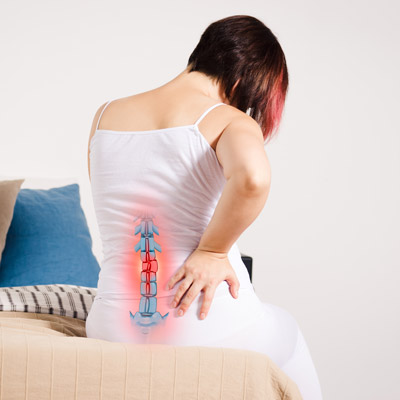
The question “what happens if you ignore a herniated disc?” is more common than you might think. Some people hope the problem will resolve on its own. Others feel paralyzed by fear and don’t know where to start. Still others have symptoms that feel mild enough to put off dealing with.
Understanding what happens to your spine over time – if you leave a herniated disc untreated – can help you make an informed decision about your health.
What Is a Herniated Disc?
How a Disc Becomes Herniated
Your spine consists of bones (vertebrae) stacked on top of each other. Between each vertebra sits a disc – a cushion-like structure filled with a gel-like center surrounded by a tough outer shell. These discs absorb shock and allow your spine to bend and move.
When the outer shell develops a tear or weakness, the inner gel can squeeze out. This is what we call a herniation. It usually happens due to:
- Repetitive stress or poor posture over time
- A sudden injury or strain
- Weakness from age-related degeneration
- Lifting with improper form
- Weakness in supporting muscles
The herniation itself isn’t painful. What causes pain is what happens next.
Why Disc Material Presses on Nerves
Once the disc material bulges out, it often presses on nearby nerves. Your spinal nerves are sensitive – they don’t like pressure. When disc material irritates a nerve, that nerve sends pain signals to your brain. Those signals might feel like:
- Pain in the back or neck
- Pain radiating down your leg or arm
- Numbness or tingling
- Weakness in specific muscles
The location of your pain depends on which nerve is being compressed and at which spinal level.
Common Symptoms Patients Notice First
Most people first realize something is wrong when they experience:
- Sharp or burning pain in the lower back, buttocks, or down one leg (if it’s a lumbar disc herniation)
- Neck pain radiating into the shoulder or arm (if it’s a cervical disc herniation)
- Numbness or tingling in the distribution of the affected nerve
- Muscle weakness in the affected area
- Pain that worsens with certain movements or prolonged sitting
Often, initial symptoms come and go. You might have a bad day followed by days where you feel almost normal. This inconsistency can be misleading.
See more: What Does a Herniated Disc Feel Like?
Can You Really Ignore a Herniated Disc?
Why Some People Try to “Wait It Out”
The human response to a new health problem is often to hope it resolves on its own. This makes sense – many injuries do heal without intervention. You might think: “Maybe this will just go away.”
There are also practical reasons people delay treatment:
- Fear of surgery or aggressive intervention
- Cost concerns
- Uncertainty about where to start
- Mild initial symptoms that don’t feel urgent
- Busy life circumstances
Understanding these reasons is important – but so is understanding the potential cost of waiting.
When Symptoms Feel Mild (The False Confidence Stage)
Here’s where many people get stuck: your initial symptoms might be manageable. Pain might occur only when you sit too long or bend a certain way. You might manage it with ibuprofen, heat packs, or just avoiding certain activities.
This creates a false sense of security. You think: “It’s not that bad. Maybe I don’t need treatment.”
Why Pain Level Does NOT Always Reflect Severity
This is a critical point: the severity of your symptoms does not always match the severity of your disc problem.
You could have:
- Mild symptoms with significant disc herniation and nerve compression
- Severe symptoms with a smaller herniation
- Symptoms that fluctuate based on inflammation, activity, and how your nervous system is responding
Just because your pain is manageable doesn’t mean the underlying problem isn’t getting worse. This is why imaging and professional evaluation matter. A clinician can see what’s happening inside your spine, regardless of how you feel.
What Actually Happens If You Leave It Untreated?
Ongoing Nerve Compression Over Time
When a herniated disc compresses a nerve week after week and month after month, the nerve doesn’t just tolerate it passively. Chronic nerve compression causes:
- Irritation and inflammation of the nerve itself
- Changes in how the nerve transmits signals
- Increased sensitivity of the nerve (sometimes called sensitization)
- Potential damage to the nerve tissue if compression is severe enough
Unlike an acute injury that’s healing, chronic compression creates an ongoing problem. The nerve is being irritated continuously.
Increasing Inflammation and Irritation
The body’s response to the initial herniation is inflammation. Swelling around the nerve is the body’s attempt to protect and heal, but inflammation also increases pain and pressure.
Over time, without treatment to reduce the compression:
- Inflammation becomes chronic rather than acute
- Pain pathways in your nervous system become more established
- The brain becomes more sensitized to pain signals from that area
- What started as disc-related pain can become pain that’s amplified by nervous system changes
This is why chronic herniated disc pain can feel different and sometimes more intense – than the initial injury.
Reduced Disc Flexibility and Hydration
Discs need movement and pressure variation to stay healthy. They absorb fluid when you rest and release it when you move. This fluid exchange is essential for disc nutrition and function.
When you avoid movement due to pain, or when the disc is chronically compressed:
- The disc loses hydration (fluid content)
- The disc material becomes less flexible
- The disc weakens further
- Additional degeneration accelerates
This creates a downward spiral: pain limits movement, limited movement weakens the disc further, and a weaker disc causes more problems.
Muscle Compensation and Posture Changes
Your body is remarkably adaptive. When you have pain in one area, you unconsciously change how you move to avoid that pain. You might:
- Shift your weight to one side
- Hunch your shoulders
- Tilt your pelvis
- Limit certain movements
Over weeks and months, these compensation patterns become habits. Muscles that are overworked become tight and fatigued. Muscles that aren’t being used properly weaken.
These postural changes create additional stress on your spine and can accelerate degeneration throughout your lumbar or cervical spine, not just at the site of the herniation.
When a Herniated Disc Becomes More Serious
Most herniated discs don’t require emergency surgery. But certain signs indicate you should seek professional care promptly.
Signs of Worsening Nerve Compression
Pay attention to these warning signs:
- Progressive numbness – increasing numbness suggests the nerve is being compressed more severely
- Spreading tingling – symptoms moving to more areas of your leg or arm
- Increasing weakness – difficulty holding things, walking, or controlling your leg
These symptoms suggest the nerve compression is worsening, not staying stable.
Loss of Functional Mobility
Beyond pain, consider whether you’re losing function:
- Can’t walk as far without pain?
- Can’t sit at work without standing up repeatedly?
- Can’t exercise or participate in activities you enjoy?
- Difficulty with basic tasks like dressing, cleaning, or driving?
Functional loss is different from just having pain. It indicates the condition is significantly impacting your quality of life.
Sleep Disruption and Chronic Pain Cycles
Chronic pain disrupts sleep. Poor sleep weakens your immune system and impairs healing. This creates a cycle:
Pain worsens → Sleep worsens → Healing slows → Pain worsens
Breaking this cycle requires addressing the underlying problem, not just managing pain symptoms.
When Is It Too Late to Wait?
Warning Signs That Require Action
Seek professional evaluation if you experience:
- Pain lasting more than 4–6 weeks
- Progressively worsening symptoms
- Numbness or weakness that’s spreading
- Loss of bladder or bowel control (this requires urgent care)
- Significant functional loss affecting work or daily life
- Failed home treatment attempts
You don’t need to have all these signs. Even one is worth professional attention.
Why Early Intervention Matters
Early evaluation and treatment matters because:
- Your disc is more likely to respond to conservative care
- Nerve compression might be reduced before damage occurs
- You’re more likely to recover normal function
- You reduce the risk of chronic pain becoming established
- You address postural and movement compensation patterns early
Preventing Progression vs. Reversing Damage
Here’s an important distinction: preventing progression is easier than reversing damage.
When you intervene early:
- You prevent inflammation from becoming chronic
- You stop nerve sensitization before it becomes established
- You prevent muscle weakness from becoming severe
- You keep the disc in a better position to heal
The longer you wait, the more you’re trying to reverse changes rather than prevent them.
Non-Surgical Treatment Options Before Surgery Becomes Necessary
The good news: many herniated discs can be managed without surgery.
Physical Therapy
Physical therapy strengthens supporting muscles and improves spinal stability. It’s often helpful, especially when combined with other approaches.
Chiropractic Care
Chiropractic evaluation and treatment can address spinal alignment and reduce nerve irritation. A chiropractor in Newport Beach can assess your specific condition and determine appropriate care.
Medication (Temporary Relief Only)
Anti-inflammatory medications, muscle relaxers, or pain medications can provide relief, but they don’t address the underlying disc problem. They’re best used alongside other treatments.
Spinal Decompression Therapy
Non-surgical herniated disc treatment has advanced significantly. Spinal decompression therapy is a non-invasive approach that:
- Reduces disc pressure – creates space for the herniated material to move back into the disc
- Supports nerve decompression – relieves pressure on the irritated nerve
- Promotes healing – improves the environment for natural recovery
- Is non-invasive – no surgery, no injections
Research supports decompression as an effective option for many patients with herniated discs.
How Spinal Decompression Helps Reduce Disc Pressure
Creating Space Between Vertebrae
Spinal decompression works by gently separating vertebrae. This creates a negative pressure environment inside the disc, which:
- Pulls herniated material back into the disc
- Reduces pressure on nearby nerves
- Creates space for inflammation to decrease
Supporting Disc Rehydration
Discs need fluid to stay healthy. The decompression process improves fluid exchange, which:
- Nourishes the disc tissue
- Improves disc flexibility
- Supports the disc’s ability to heal
- Prevents further degeneration
Reducing Nerve Irritation
As pressure on the nerve decreases:
- Pain symptoms improve
- Inflammation reduces
- Nerve function normalizes
- Your nervous system becomes less sensitized
Take the Next Step
If you’ve been living with a herniated disc and wondering whether to treat it or wait, a professional evaluation can answer your questions. You’ll understand your specific condition, what’s actually happening, and what realistic treatment options look like.
Clinics offering advanced non-surgical herniated disc treatment can assess your case and discuss whether spinal decompression therapy for herniated disc is appropriate. Newport Center Family Chiropractic, for example, uses advanced spinal decompression technology such as the Triton DTS system to evaluate and treat disc-related conditions.
The time to understand your options is now – not after months of progressive symptoms.
Disclaimer: This article is educational and should not replace professional medical advice. Consult with a healthcare provider about your specific condition and treatment options.
Newport Center
Family Chiropractic
359 San Miguel Drive
Suite #203
Newport Beach, CA 92660
| Monday | 9:00 AM - 5:00 PM |
| Tuesday | 9:00 AM - 5:00 PM |
| Wednesday | 9:00 AM - 5:00 PM |
| Thursday | 9:00 AM - 5:00 PM |
| Friday | 9:00 AM - 5:00 PM |
| Saturday | 9:00 AM - 12:00 PM |
| Sunday | Closed |