
7 Things to Avoid With a Herniated Disc
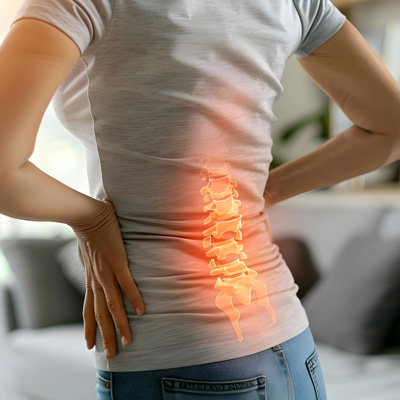
Living with a herniated disc can be challenging, especially when certain daily activities make symptoms worse. Knowing the 7 things to avoid with a herniated disc can help you protect your spine, manage discomfort, and support recovery. This guide covers common mistakes that may increase pain and practical ways to reduce stress on the affected area.
What Is A Herniated Disc And What Causes Pain?
A herniated disc happens when the soft center of a disc pushes through a tear in its outer layer. The damaged disc can then press on nearby nerves, leading to pain and other symptoms.
Several factors can increase the risk of a herniated disc. In many cases, it develops slowly over time as the disc becomes weaker and less flexible.
Common causes include:
- Age: Discs lose water and flexibility as we get older, making them more likely to tear.
- Sudden injury: Lifting something heavy the wrong way or falling can damage a disc.
- Repeated strain: Years of bending, twisting, or other repetitive movements can wear down the disc.
- Extra body weight: Carrying excess weight places more stress on the lower back and the discs that support the spine.
This can lead to:
- Back pain
- Leg pain
- Sciatica
- Numbness
- Weakness in the arms or legs
- Neck pain
Many people experience back and neck pain because the injured area becomes irritated. In some cases, the pain can become serious enough to affect daily activities.
The good news is that a few simple changes to your daily routine may help reduce pain and support recovery.
1. Avoid Lifting Heavy Objects
One of the most important activities to avoid is lifting heavy objects.
Heavy lifting loads extra pressure onto your lower back, especially on the lower back disc. This may push the injured disc further out and make the pain worse.
Instead, focus on proper lifting techniques:
- Keep your back straight.
- Use your core muscles for support.
- Hold objects close to your body.
- Avoid sudden movements.
Avoiding heavy lifting whenever possible can help reduce stress on an injured disc and support recovery.
2. Limit Bending And Twisting
Frequent bending can increase pressure inside the injured disc.
When you bend forward and twist at the same time, the injured area experiences extra strain. This is a common movement that causes pain for many people with a herniated disc.
To reduce discomfort:
- Avoid bending whenever possible.
- Bend your knees instead of your waist.
- Keep your spine in a natural position.
- Avoid sudden twisting motions.
These simple changes can help people who are recovering from a herniated disc.
3. Do Not Sit For Too Long
Sitting for long periods squeezes the disc more than standing does.
Office workers and drivers often experience back pain because sitting compresses the disc for hours at a time. Over time, this can lead to low back pain and stiffness.
To help protect your back, try to:
- Stand up every 30 to 45 minutes.
- Stretch gently.
- Sit and stand up straight.
- Use a chair with good support.
These habits help keep your spine in a healthier position.
4. Maintain Good Posture To Reduce Stress On Your Spine
Poor posture can contribute to chronic back pain.
When you slouch, the natural alignment of the spine changes. This creates extra pressure on the injured disc and nearby back muscles.
To maintain good posture:
- Keep your shoulders back.
- Stand up straight.
- Support your lower back while sitting.
- Avoid looking down at your phone for long periods.
Even small improvements in posture can provide better pain relief over time.
5. Do Not Spend Too Much Time In Bed
Many people think they should rest in bed until the pain goes away.
While short periods of rest may help at first, spending too much time in bed can weaken the muscles that support the spine.
Light movement is usually a better choice. Walking and gentle stretching can improve blood flow and support recovery.
6. Avoid Overexertion
High-intensity activities can make a herniated disc worse because they place repeated stress on the spine and the injured disc.
Exercises such as weightlifting, pull-ups, squats, leg presses, or any movement that requires you to bend your back while lifting weight can increase strain on the injured area. Jumping exercises, contact sports, and intense workouts may also make the pain worse and slow recovery.
Instead, choose low-impact activities such as walking, swimming, or cycling. These low-impact exercises can help maintain fitness while reducing stress on the injured area.
7. Avoid Mental Stress
Long term stress can make the symptoms of a herniated disc more uncomfortable.
When the body is under stress, muscles in the neck, shoulders, and back often become tight. This can increase stress on your spine and create more tension around the injured disc, making discomfort harder to manage.
Stress can also affect sleep and recovery. Taking time to relax, staying active, and getting enough rest may help relieve your pain and improve overall well-being.
Good Daily Habits That Can Help Prevent Pain And Support Recovery
Along with avoiding habits that may make a herniated disc worse, building healthy daily habits is just as important. Simple lifestyle changes can help reduce pressure on the injured disc, support recovery, and lower the risk of future flare-ups.
Some helpful habits include:
- Keeping your back in a comfortable position while sitting and working.
- Changing positions regularly instead of sitting or standing for too long.
- Protecting your back during daily activities.
- Staying active with safe, gentle movement.
- Following the guidance of your healthcare provider.
A physical therapist can recommend exercises that match your condition and teach safe ways to move that place less stress on the affected area.
Combining healthy habits with avoiding activities that aggravate symptoms can help many people manage discomfort more effectively and improve mobility over time.
Treatment Options At Newport Center Family Chiropractic
The right treatment depends on your symptoms and overall condition. At Newport Center Family Chiropractic, care begins with a complete evaluation of the spinal system to better understand the cause of pain and discomfort.
Some of the available treatment options include:
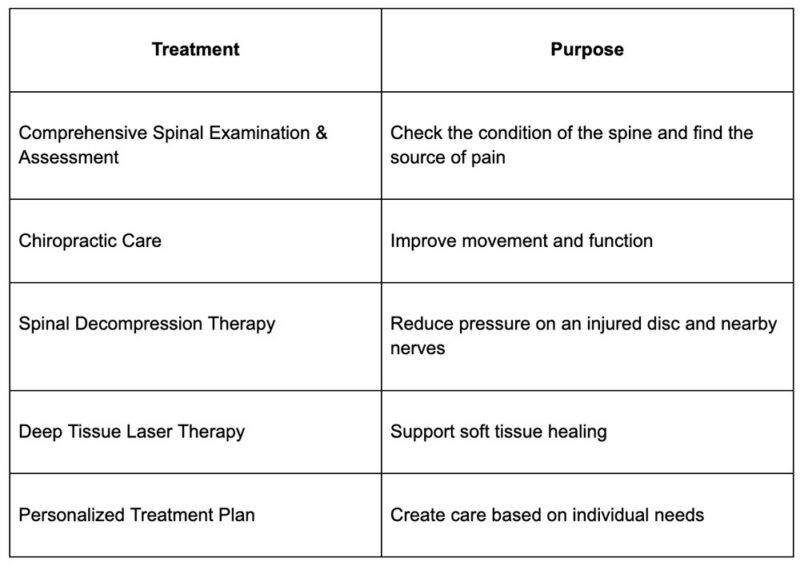
One treatment used for some people with a herniated disc is Spinal Decompression Therapy. This approach focuses on reducing pressure around the injured disc and surrounding nerves.
The team will evaluate each case carefully and may develop personalized treatment plans based on the patient’s needs and goals.
When Should You Contact Newport Center Family Chiropractic?
If you have back pain, neck pain, or other herniated disc symptoms, an early evaluation may help you better understand your condition.
You may want to schedule a visit if:
- Pain lasts for several weeks.
- Pain travels into the arm or leg.
- You have numbness or tingling.
- Sitting, standing, or walking becomes difficult.
- Daily activities become harder because of pain.
- Symptoms keep returning.
A detailed evaluation can help determine how the injured disc may be affecting nearby nerves and structures.
Why Do Patients Trust Dr. Mike Digrado And Newport Center Family Chiropractic?
Many people in Newport Beach visit Dr. Mike Digrado for help with herniated disc, back pain, and sciatica.
Dr. Digrado has more than 20 years of experience helping people with conditions that affect the spine. He is licensed in California and has worked with many patients dealing with wear and tear, lower back pain, and other spinal problems.
The clinic focuses on non-invasive care such as:
- Chiropractic Care
- Spinal Decompression Therapy
- Laser Therapy
These approaches are designed to support healthy movement and help reduce discomfort without procedures that some patients may wish to avoid.
If symptoms continue to affect your daily life, work, or sleep, it may be helpful to talk to your doctor or qualified healthcare provider.
Frequently Asked Questions
Can a Herniated Disc Heal on Its Own?
Many people improve over time with conservative treatment, activity changes, and physical therapy. Recovery depends on the location and severity of the problem.
What Is the Fastest Way to Relieve Pain From a Herniated Disc?
Many people start by using an ice pack during the early stages of pain. Later, some people apply heat or use heat therapy to relax tight muscles. These methods may help with your pain, but they do not treat the root cause.
Should I Walk With a Herniated Disc?
Walking is often recommended because it is a low-impact activity. It can improve blood flow and help maintain movement without placing too much stress on the injured disc.
How Long Does Recovery Take?
Recovery time varies from person to person. Some people improve within a few weeks, while others may need several months when pain is severe.
Will I Need Surgery?
Most people do not immediately need surgery. Many cases improve with activity changes, guided care, and other non-invasive approaches. However, every case is different.
Can Medicine Help?
Some people use pain medicine, pain medication, ibuprofen, anti-inflammatory drugs, otc pain products, or over-the-counter pain medicine for temporary symptom relief. Always follow label instructions and always seek the advice of a qualified healthcare professional before taking medication.
Is a Bulging Disc the Same as a Herniated Disc?
No. A bulging disc extends outward, while a herniated disc has a tear that allows the inner material to push through. A herniated disc is more likely to cause nerve related symptoms.
Key takeaways
- A herniated disc can place pressure on nerves and cause pain.
- Avoid lifting heavy objects whenever possible.
- Limit movements that require you to bend and twist at the same time.
- Do not sit for long periods without taking breaks.
- Maintain good posture and avoid slouch positions.
- Stay active, but choose safe low-impact exercises.
- Avoid long periods of rest in bed.
- Manage stress to support recovery.
- Follow healthy daily habits to prevent pain.
- Seek professional help if the symptoms of a herniated disc continue or become worse.
- Early care may help relieve pain, improve movement, and support recovery.
Newport Center
Family Chiropractic
359 San Miguel Drive
Suite #203
Newport Beach, CA 92660
| Monday | 9:00 AM - 5:00 PM |
| Tuesday | 9:00 AM - 5:00 PM |
| Wednesday | 9:00 AM - 5:00 PM |
| Thursday | 9:00 AM - 5:00 PM |
| Friday | 9:00 AM - 5:00 PM |
| Saturday | 9:00 AM - 12:00 PM |
| Sunday | Closed |
